
Mold Inspection & Consulting
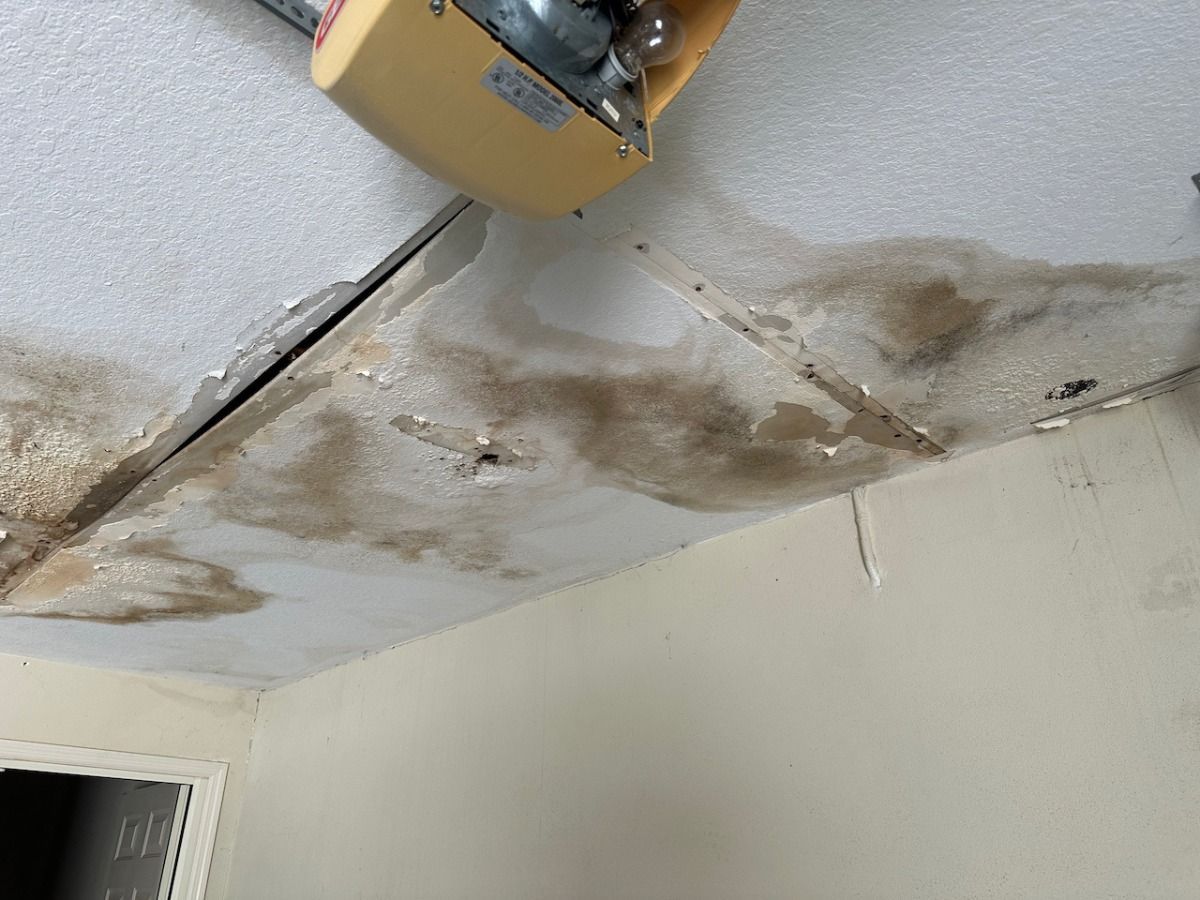
Why an Inspection Comes Before Any Removal
An inspection is what keeps a remediation scope honest in both directions. It prevents a contractor from tearing out a wall that did not need to come out, and it catches the wet cavity next to the one you were worried about.
Most mold is a symptom. Something is letting water in, or letting damp air sit where it cannot dry, and the visible patch is just where conditions happened to be right first. A proper inspection traces that water before anyone writes a removal plan, which is why the same problem does not come back the following spring.
We advise homeowners, buyers and their agents, property managers, and commercial clients throughout the region, and every inspection ends with a written report you can hand to a contractor, an adjuster, or a buyer.
How an Inspection Is Carried Out
01
Visual Inspection & Moisture Mapping
A full walk-through to identify visible growth, signs of intrusion, and condensation-prone areas, with moisture meters and relative humidity readings mapping where the risk actually sits.
02
Thermal Imaging
Temperature differences reveal wet material behind walls, under flooring, and above ceilings, which is where a visual-only inspection tends to miss things.
03
Air & Surface Sampling When Warranted
Where lab verification adds something, targeted air and surface samples identify species and spore concentrations.
04
HVAC Inspectionleaning, Disinfection & Drying
Ductwork, condensate lines, and air handlers can distribute spores building-wide, so they are checked alongside the structure and flagged for cleaning or repair where needed.
05
Written Report & Consultation
You receive findings, moisture data, photographs, and a prioritized action plan, explained in plain language with both the urgent items and the long-term controls separated out.
When Lab Sampling Is Worth It & When It Is Not
Sampling is a tool, not a verdict. A lab result tells you what was in the air or on a surface at one moment in one spot, and read without building history and moisture readings behind it, it can point in the wrong direction entirely.
Sampling earns its cost when the findings will be argued over or relied on by someone else: an insurance dispute, a real estate transaction, litigation, a tenant complaint, or clearance testing after remediation to document that conditions have returned to normal.
It adds little when growth is plainly visible and the moisture source is already identified. At that point the scope is set by what the moisture touched, not by a spore count, and the money is better spent on the removal itself. We will tell you which situation you are in rather than defaulting to the more expensive one.
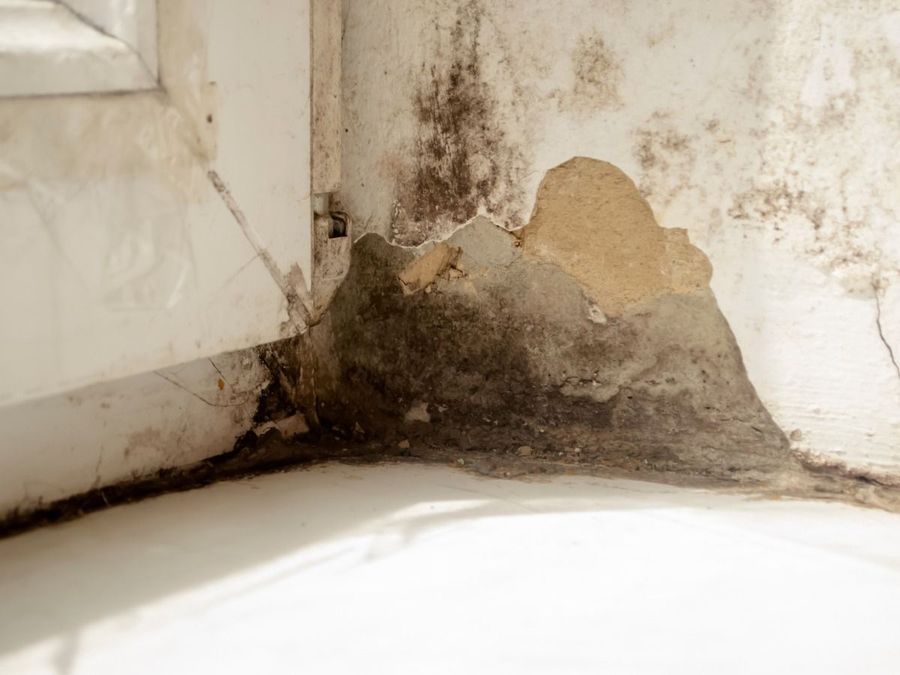
Situations That Call for an Inspection
A musty smell with no visible source
Recent flooding, a burst pipe, a roof leak, or an ice dam
A pending purchase, especially on a property with any water history
Tenants reporting symptoms or visible growth
Mold that keeps coming back in the same spot after cleaning
Documentation needed for an insurance claim or a legal matter
Verification that a completed remediation actually worked
FREQUENTLY ASKED QUESTIONS
How long does an inspection take?
Most residential inspections run one to three hours depending on square footage, how many areas are involved, and whether crawl spaces or attics need access. Larger commercial buildings take longer and are scoped in advance.
Is sampling always necessary?
No, and we will say so when it is not. See the section above for where it genuinely helps.
How soon will I get the report?
Verbal findings come at the end of the visit. The written report follows shortly after, and when lab work is involved it waits on the lab's turnaround, which we tell you at the time of sampling.
Can you give me a remediation estimate after the inspection?
Yes. The report includes a scope and a cost range, so you are not starting from zero when you decide how to proceed.
Do you inspect a property you did not remediate?
Yes. Second opinions on another contractor's scope and clearance verification after someone else's work are both routine requests.
Find Out What You Are Actually Dealing With
An inspection turns a guess into a scope, whether you are buying, selling, managing tenants, or trying to settle whether that smell is a problem. Reach out for a free initial assessment or to book a full inspection.