Serving nh, me & ma
Structural Mold Removal (Attic, Basement & Crawl Space)
Trusted Since 2012
Certified & Fully Insured
24/7 Emergency Response
Serving NH, ME & MA
Introduction to Structural Mold Removal
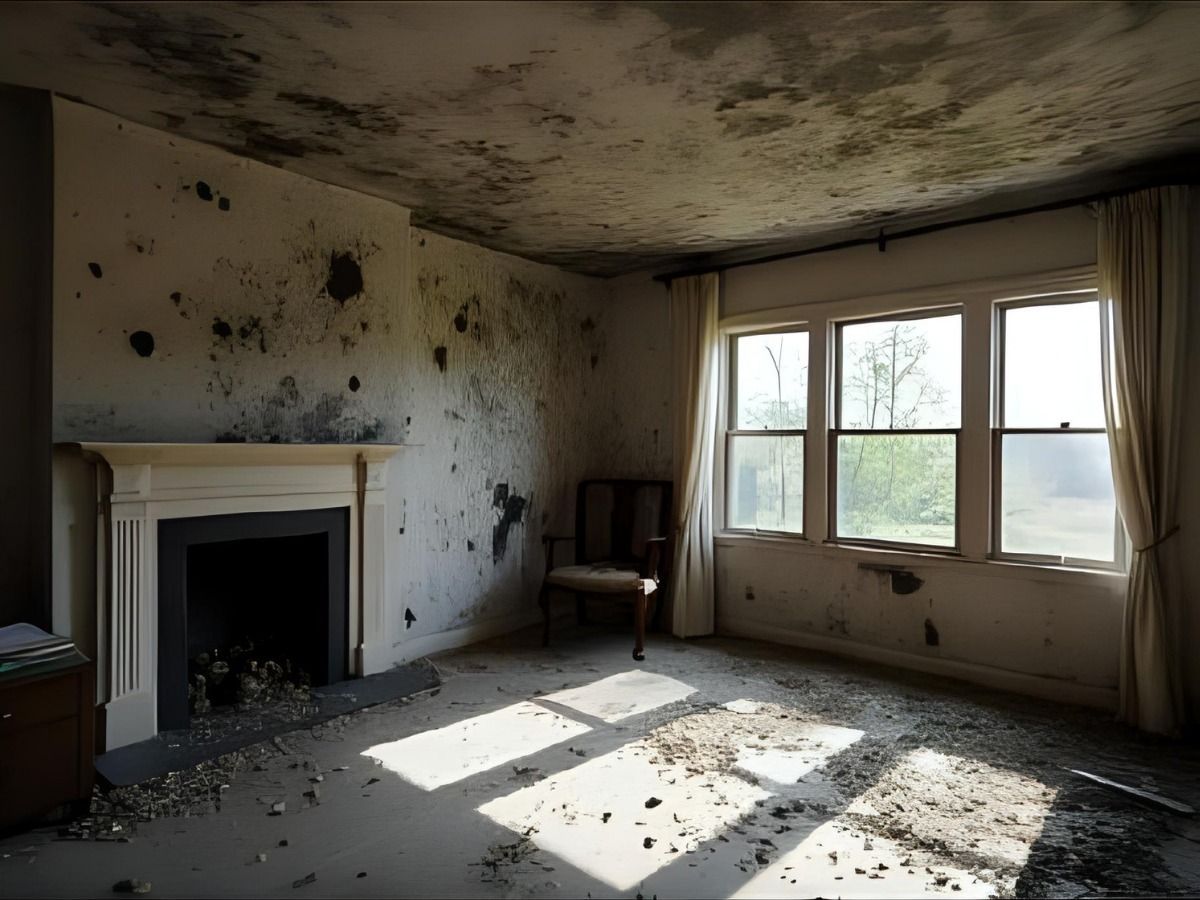
Attics, basements, and crawl spaces are among the most common and consequential locations for mold growth. These structural areas can hide extensive contamination that affects indoor air quality and building integrity. American Dream Environmental Services specializes in structural mold removal—targeting attics, basements, and crawl spaces with focused inspection, containment, removal, and mitigation strategies designed to protect your home or commercial property in Strafford, NH and nearby towns.
Why Structural Areas Require Special Attention
Structural spaces often have poor ventilation, variable temperatures, and hidden moisture sources—creating ideal conditions for mold. Problems in these areas may go unnoticed for months, during which mold colonizes insulation, framing, subflooring, and box sills.
Untreated mold in structural components can:
- Lower indoor air quality throughout the building
- Weaken wood framing and structural components
- Increase heating and cooling costs due to compromised insulation
- Cause persistent musty odors and allergic symptoms
- Complicate real estate transactions without proper remediation evidence
Understanding Attic Mold
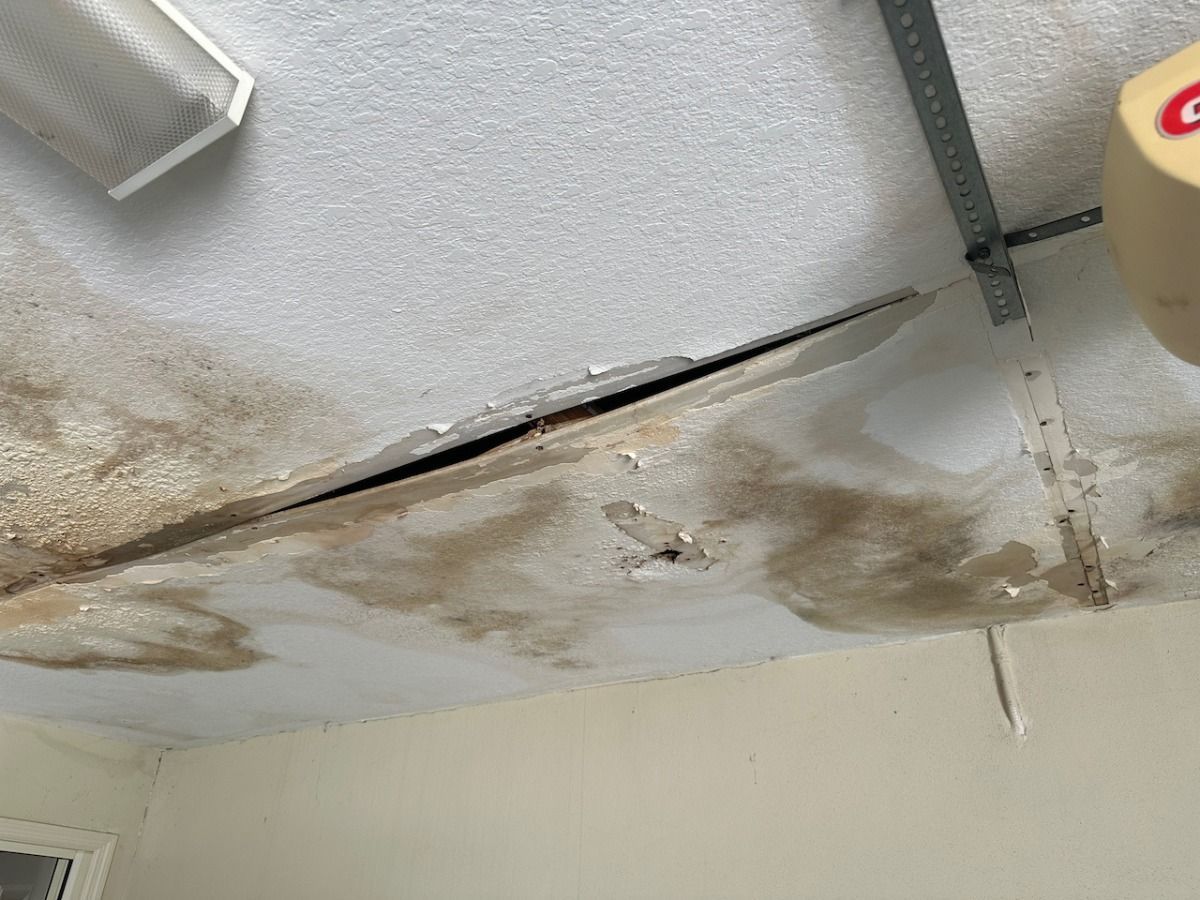
Causes:
- Roof leaks, ice damming, or damaged flashing
- Condensation from inadequate attic ventilation or air leaks from living space
- Ingress of humid outdoor air
Signs:
- Dark staining along rafters and sheathing
- Mold growth on insulation
- Musty smell in upper floors
Our Attic Services:
- Throrough inspection and moisture mapping
- Containment during work to protect living areas
- Removal of contaminated insulation and porous materials
- Drying and treatment of rafters and sheathing
- Recommendations for ventilation, baffles, and insulation upgrades
Causes:
- Groundwater intrusion and poor foundation drainage
- High indoor humidity
- Unsealed crawl spaces or faulty sump pumps
Signs:
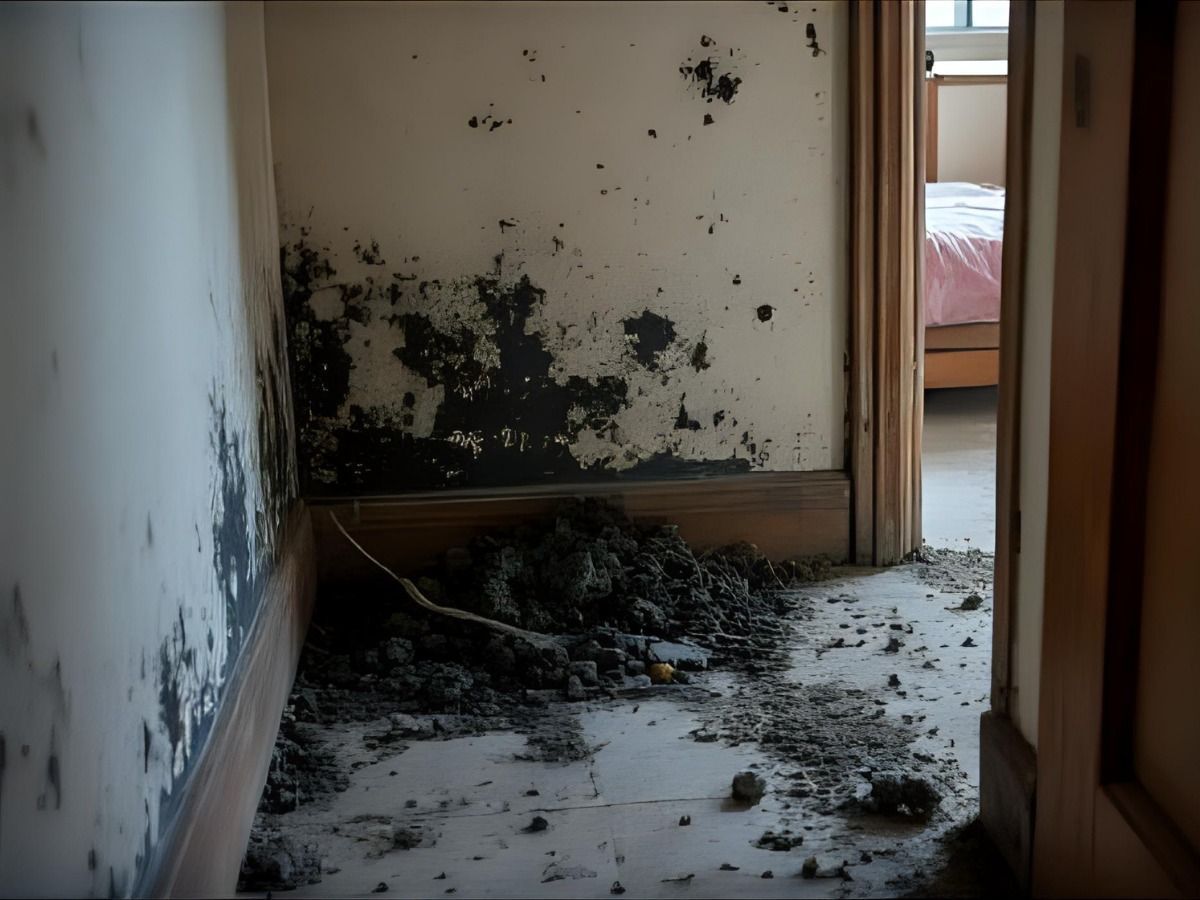
- Mold on foundation walls and flooring
- Peeling paint, efflorescence, or warped baseboards
- Persistent damp odor
Our Basement Services:
- Water intrusion assessment and drying
- Removal of contaminated flooring, drywall, and insulation
- Encapsulation and vapor barrier recommendations
- Dehumidification strategies and sump pump checks
Understanding Basement Mold
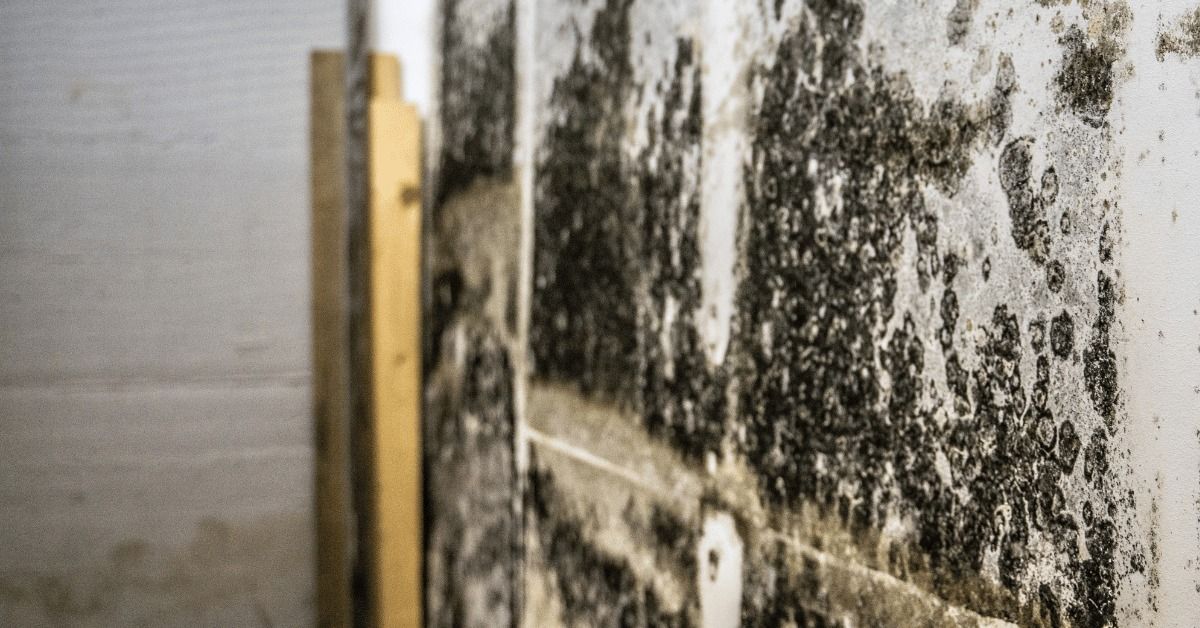
Understanding Crawl Space Mold
Causes:
- Moist soil vapor without a proper vapor barrier
- Poor ventilation and condensate buildup
- Plumbing leaks or HVAC condensation issues
Signs:
- Mold on floor joists and perimeter walls
- Rotting sill plates and insulation damage
- Visible mold near HVAC components or ducting
Our Crawl Space Services:
- Encapsulation with vapor barrier and perimeter drainage recommendations
- Structural mold removal (joists, sill plates) when necessary
- Insulation replacement and sealing of HVAC penetrations
- Long-term moisture control plans
Our Structural Mold Removal Process
01
Detailed Structural Inspection
We inspect the structural area, identify moisture sources, and document the scope. We include moisture readings, thermal imaging, and sampling when necessary.
02
Containment and Negative Pressure
To prevent spore migration into living spaces, we set up containment and negative air machines. Entry points to the house are protected and work zones are isolated.
03
Removal of Affected Materials
Contaminated insulation, drywall, and in some cases structural wood are removed following safety protocols. We determine when moldy wood can be cleaned vs. when replacement is necessary.
04
Surface Cleaning and Antimicrobial Treatment
Remaining structures are HEPA-vacuumed and treated with appropriate antimicrobial agents. We ensure drying and treat surfaces to reduce the chance of regrowth.
05
Structural Repairs and Mitigation
We recommend and coordinate repair steps—insulation upgrades, ventilation improvements, vapor barrier installation, or structural replacements—to restore integrity and prevent recurrence.
06
Verification and Monitoring
After remediation, we perform verification checks and provide documentation. For crawl spaces and basements, we may recommend monitoring humidity and installing long-term dehumidification or encapsulation solutions.
Case Studies — Typical Outcomes
- Attic Restoration: After an undetected roof leak caused attic mold across roof sheathing, we removed contaminated insulation, dried and treated rafters, and recommended improved ridge ventilation and cellulose insulation with encapsulation. Post-job verification showed mold reduction and improved energy efficiency.
- Basement Recovery: A finished basement with hidden water infiltration showed mold under paneling and subflooring. We removed affected sections, installed perimeter drainage solutions, and encapsulated remaining crawl area to prevent future groundwater-driven mold growth.
- Crawl Space Encapsulation: An older home with high humidity and mold in joists required full encapsulation. We removed contaminated insulation, encapsulated with a heavy-duty vapor barrier, improved grading around the foundation, and installed a dehumidifier, leading to stable moisture levels and reduced mold risk.
Preventive Strategies for Structural Areas
- Ensure attic ventilation and seal air leaks from living space
- Maintain roof integrity and clear gutters to reduce ice damming and leaks
- Grade land away from foundation and ensure functioning gutters and downspouts
- Install vapor barriers and encapsulation in crawl spaces
- Use dehumidifiers in basements with relative humidity above 50%
- Regularly inspect around plumbing, HVAC, and roof penetrations
Final Notes
Proper structural mold removal protects not just visible surfaces but the safety and longevity of your home or building. Our team brings experience, containment expertise, and practical mitigation to return your property to a healthy state and prevent future mold growth in critical structural areas.
FAQs — Structural Mold Removal (Attic, Basement & Crawl Space)
How do you decide if structural wood can be saved?
We evaluate depth of contamination, structural integrity, and moisture history. Surface mold or superficial staining often can be cleaned; structurally compromised wood or deeply colonized wood is removed and replaced.
Is crawl space encapsulation necessary after remediation?
Encapsulation is often the most effective long-term solution for humid crawl spaces. It blocks ground moisture and improves HVAC efficiency when implemented with proper sealing and drainage.
How long before I can finish restore the treated areas?
Restoration depends on drying and repair timelines. After drying and verification, restoration can begin—timelines range from days for minor work to weeks for larger structural repairs.
Contact and Service Booking
Structural mold in attics, basements, and crawl spaces requires experienced remediation to protect health and property value. Contact American Dream Environmental Services to schedule a thorough inspection and get a remediation plan tailored to your structure. For urgent structural mold concerns discovered after floods or roof leaks, call now for prioritization and emergency response.