
Mold Remediation & Removal
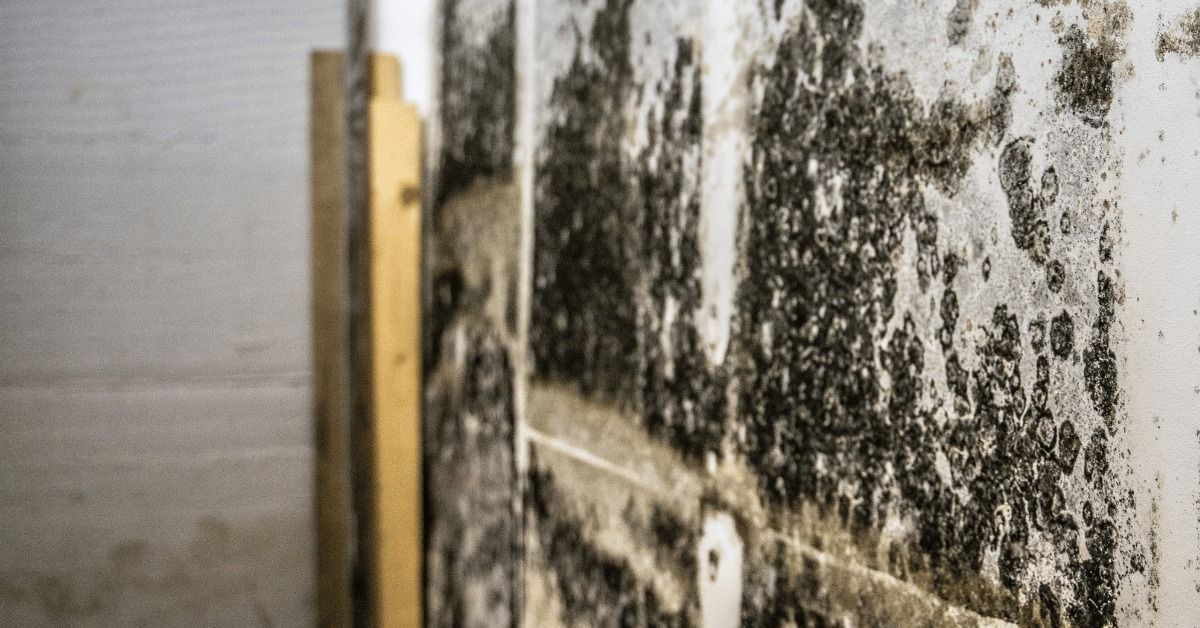
Why Mold Needs More Than Surface Cleaning
Remediation is the controlled process of finding, containing, and removing mold contamination without spreading it through the rest of the building. That last part is what separates it from cleaning. Scrubbing a visible patch disturbs the colony and sends spores into the air, where they settle somewhere else and start over.
Unaddressed mold works on two fronts. Airborne spores aggravate allergies and respiratory symptoms and degrade indoor air quality, and in a commercial building they create operational and liability problems. At the same time the growth feeds on drywall, framing, and insulation, so a problem left alone gets more expensive on a schedule of its own.
We handle everything from a bathroom ceiling to full black mold remediation in residential and commercial buildings, and every project addresses the moisture source alongside the growth.
How a Remediation Project Runs
01
Assessment & Inspection
Moisture meters, thermal imaging, and targeted sampling map where water went and how far growth has spread. This defines the scope and produces the documentation an insurer will want.
02
Containment & Air Control
Physical barriers, negative air pressure, and HEPA filtration keep spores inside the work area and out of the rest of the building while removal is underway.
03
Removal of Contaminated Materials
Porous materials that cannot be cleaned come out under containment and are bagged for disposal. Semi-porous surfaces that can be salvaged get HEPA vacuuming and specialized cleaning instead.
04
Cleaning, Disinfection & Drying
Salvageable materials are cleaned and disinfected with industry-approved agents, then structural drying and dehumidification bring moisture levels back to where growth cannot restart.
05
Antimicrobial & Encapsulation Treatments
Where the situation calls for it, antimicrobial treatment inhibits regrowth and encapsulation protects treated surfaces while restoration work finishes.
06
Post-Remediation Verification
Visual inspection and, when warranted, follow-up testing confirm conditions have returned to acceptable ranges. You receive documentation for insurance, resale, or your own records.
How to Tell What Can Be Saved & What Has to Go
The deciding factor is how deeply the material absorbs moisture, not how bad the surface looks.
Porous materials — drywall, fiberglass insulation, carpet and pad, ceiling tile, upholstered furniture — hold growth inside the material itself, where cleaning cannot reach. Once these are colonized they come out.
Semi-porous materials such as framing lumber, subfloor, and unfinished wood can usually be saved. Surface growth is removed by HEPA vacuuming, controlled cleaning, and sometimes light sanding, then the wood is dried and treated.
Non-porous surfaces — tile, glass, metal, finished concrete, plastic — clean up fully in nearly every case.
You see this decision in writing before any demolition starts. Nothing comes out of the building without appearing on the scope you approved.
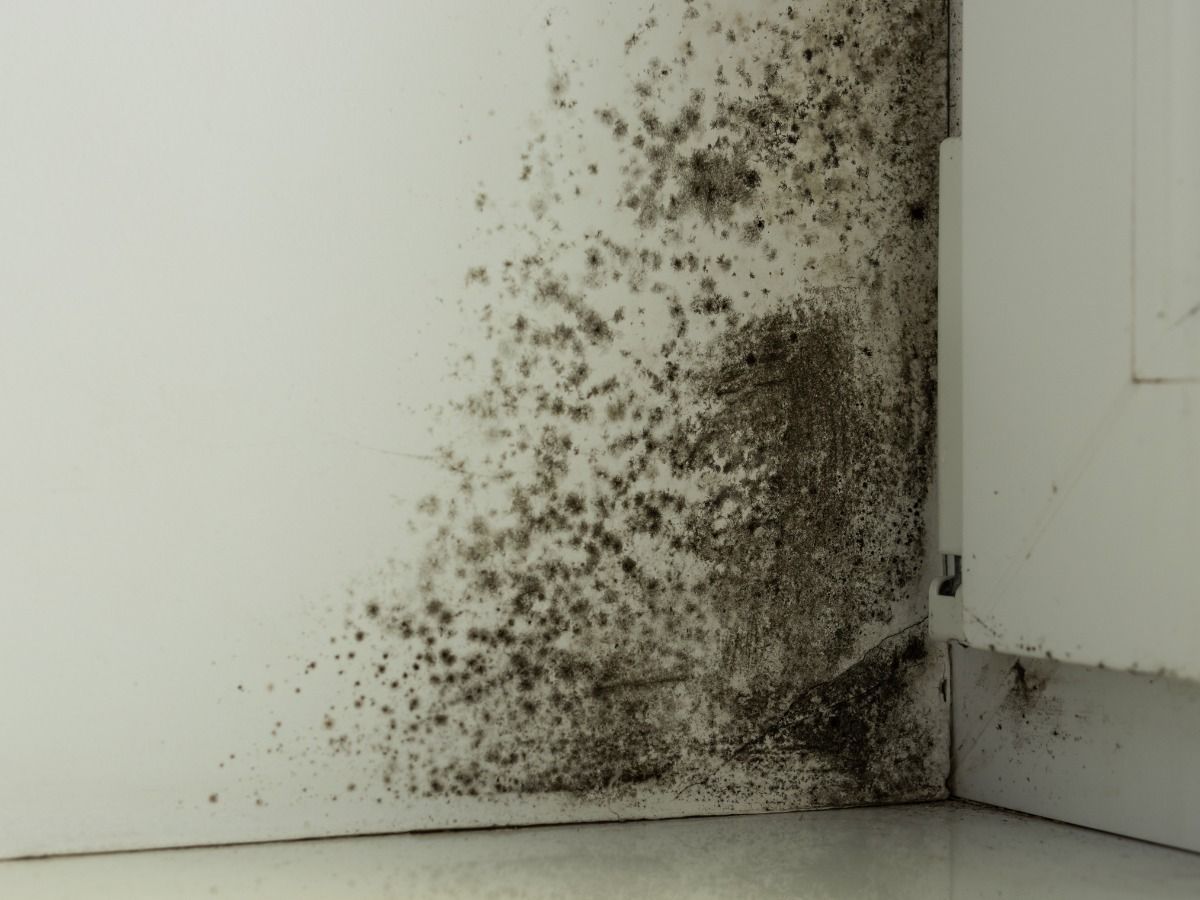
Signs It Is Time for Remediation
A musty smell near the basement stairs, a closet, or a bathroom
Visible growth spreading beyond a patch you can cover with your hand
Dark staining on drywall, ceilings, window frames, or roof sheathing
Mold that has reappeared in a spot you already cleaned
Any growth discovered after flooding, a burst pipe, or a roof leak
Allergy or respiratory symptoms that ease when occupants leave the building
Growth found inside a wall cavity, HVAC system, or under flooring
FREQUENTLY ASKED QUESTIONS
Can remediation be done while I live in the house?
Usually yes. Containment and negative pressure isolate the work area so the rest of the home stays usable. Whole-floor projects or work in a primary living space sometimes call for a few nights elsewhere, and we tell you that up front rather than mid-project.
How quickly do you respond to mold calls?
Active water intrusion gets emergency dispatch, often same-day. Non-emergency inspections are scheduled around property access, and we work toward next-day whenever the calendar allows.
Will remediation get rid of the musty smell?
The odor comes from the growth and the damp material feeding it, so removing both usually removes the smell. If it lingers, the source has not been fully found, which is why we trace moisture rather than treating what is visible.
How is black mold handled differently?
Suspected toxic species get stricter containment, upgraded PPE, and controlled removal, with contaminated material bagged, sealed, and disposed of according to regulatory guidance.
Will my insurance cover this?
Coverage depends on the cause of the water event and your policy language. We supply the findings, scope, and verification documentation adjusters ask for, and reporting water damage promptly tends to speed approvals.
Get the Contamination Scoped Before It Spreads
Visible growth, musty odors, or mold found after a leak all warrant a professional look. Reach out for a free initial assessment or to schedule a full inspection.