
Water-Related Mold Services
Why the First Two Days Decide the Scope
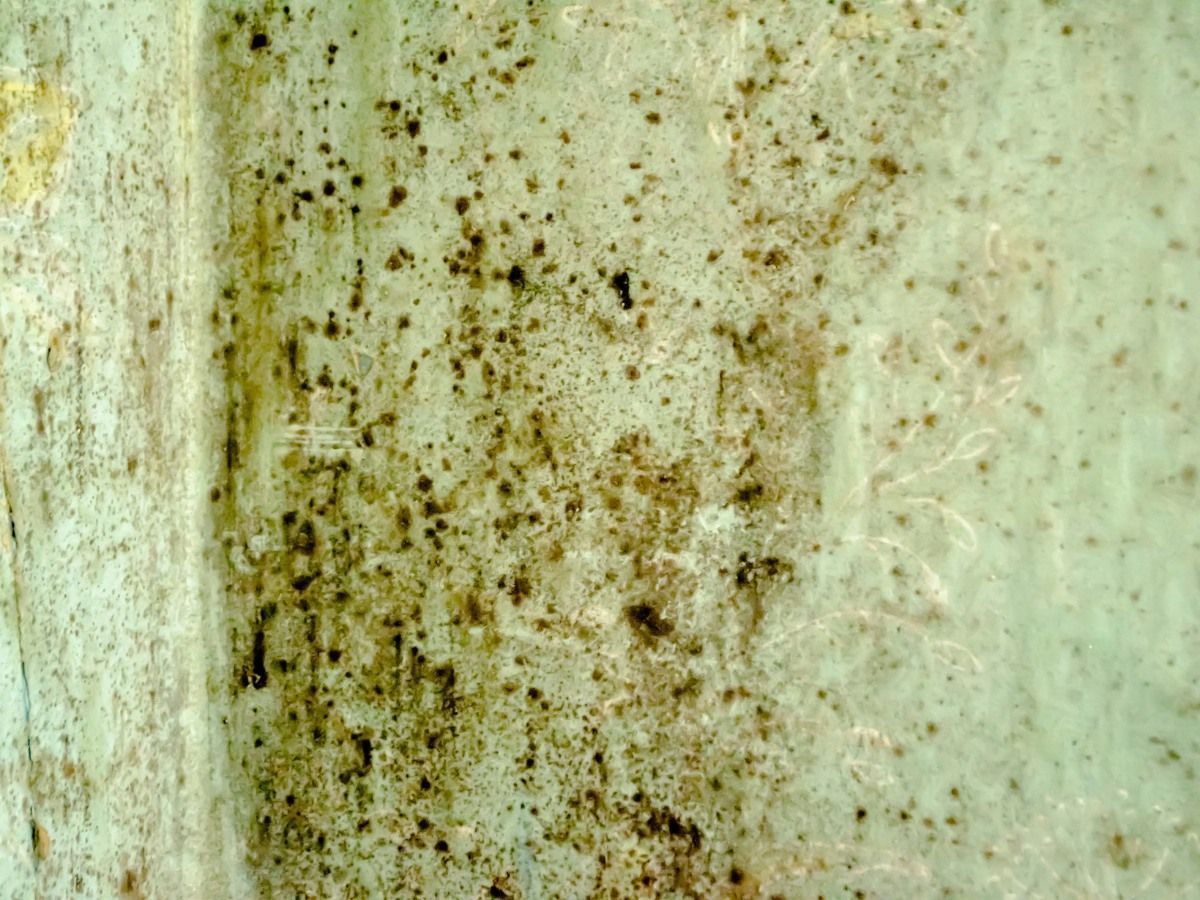
Mold can begin colonizing wet building materials within 24 to 48 hours. That window is the whole reason this service exists as its own thing: what happens in the first two days after a burst pipe, a roof leak, or a flooded basement decides whether you are looking at drying equipment or demolition.
Acting fast keeps the problem contained to the materials that actually got wet. Waiting spreads it into wall cavities and framing, which turns a contained job into a larger one with more demolition, longer displacement, and a bigger insurance claim. We respond on an emergency basis for active intrusion, and we also handle planned assessments where a water event happened weeks or months ago and something still does not smell right.
How the Water Source Changes the Approach
Not all water damage is handled the same way, and the difference is contamination rather than volume.
Clean Water (Category 1)
Supply lines, water heaters, and other potable sources. Contamination risk is low, so more material can usually be dried and saved — but only if drying starts quickly, because clean water stops being clean once it sits.
Gray Water (Category 2)
Dishwashers, washing machines, and similar appliance discharge. It carries enough contamination that more porous material comes out and cleaning protocols tighten.
Black Water (Category 3)
Sewage backups, river and surface flooding, and any water that has stood long enough to grow biological contaminants. This requires specialized handling, and porous materials it touched are removed rather than cleaned.
Floodwater also drives soil and organic matter deep into cavities, which is why these jobs involve controlled demolition to expose substrates, containment and HEPA filtration throughout, and drying protocols that account for hidden moisture pockets.
How an Emergency Response Runs
01
Triage & Safety
Guidance over the phone before we roll, starting with electrical hazards where water is standing, plus the steps you can take immediately to limit spread.
02
Water Extraction & Drying
Standing water out, affected assemblies opened where needed, and drying equipment placed to pull residual moisture out of materials rather than just off their surfaces.
03
Removal of Contaminated Materials
Porous materials that absorbed the water — carpet and pad, drywall, insulation — come out, because they hold moisture and growth where cleaning cannot reach.
04
Treatment & Decontamination
Remaining surfaces are cleaned, HEPA-vacuumed, and treated with antimicrobial agents per manufacturer guidance and industry practice.
05
Moisture Control & Prevention
The source gets identified and the fix recommended, whether that is drainage, roofing, flashing, or plumbing, so the same assembly does not get wet again.
06
Documentation for Insurance
Scope, photographs, moisture readings, and remediation records, packaged for your adjuster.
What to Do While You Wait
- Stay out of flooded areas where electrical hazards may exist
- Keep children and pets clear of contaminated zones
- Shut off the water supply if the valve is safe to reach
- Photograph the damage before anything is moved, where it is safe to do so
- Report the loss to your insurer promptly
- Do not attempt to dry a large area with household fans, which moves air without removing moisture and raps it behind materials
Signs a Past Water Event Left Something Behind
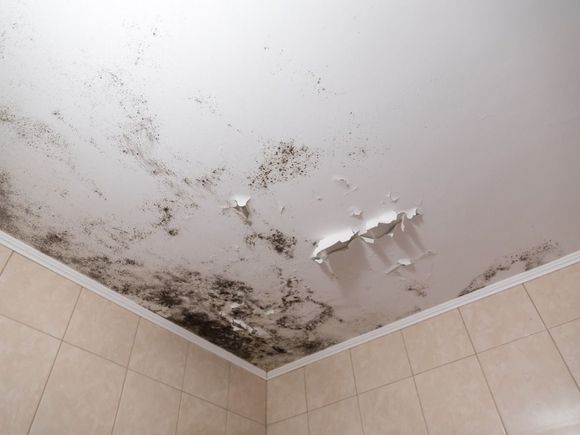
A musty smell that appeared after a leak, flood, or ice dam and never went away
Staining, bubbling, or soft spots on drywall near where water came in
Warped flooring, lifting baseboards, or floor that flexes underfoot
Visible growth near a repair that was made after a water event
Efflorescence, peeling paint, or warped baseboards in a basement
Symptoms that ease when occupants leave the building
A basement that takes on water more than once a year
FREQUENTLY ASKED QUESTIONS
How fast should I call after water intrusion?
Immediately, even overnight. Guidance over the phone costs nothing and the clock on mold growth starts the moment materials get wet.
Will homeowners insurance cover flood mold cleanup?
It depends on the cause. Sudden events like a burst pipe are commonly covered, while gradual seepage and flood damage often are not without separate flood coverage. We supply the documentation adjusters ask for; the coverage decision is your insurer's.
Can I handle a small leak myself?
A small spill on a hard surface, dried within a day, usually yes. Once water has reached drywall, insulation, or subfloor, surface drying leaves moisture behind the material where it is not visible.
What if my basement floods repeatedly?
Then remediation alone is a recurring expense. The assessment looks at grading, drainage, foundation, and sump performance, so the recommendation addresses the cause rather than cleaning up the same result annually.
Get Water Damage Handled Before Mold Follows
Active flooding, a burst pipe, or a sewage backup gets priority dispatch and immediate guidance over the phone. For a water event that already happened, book an assessment to find out what moisture is still in the building.