
Decontamination & Demo Work
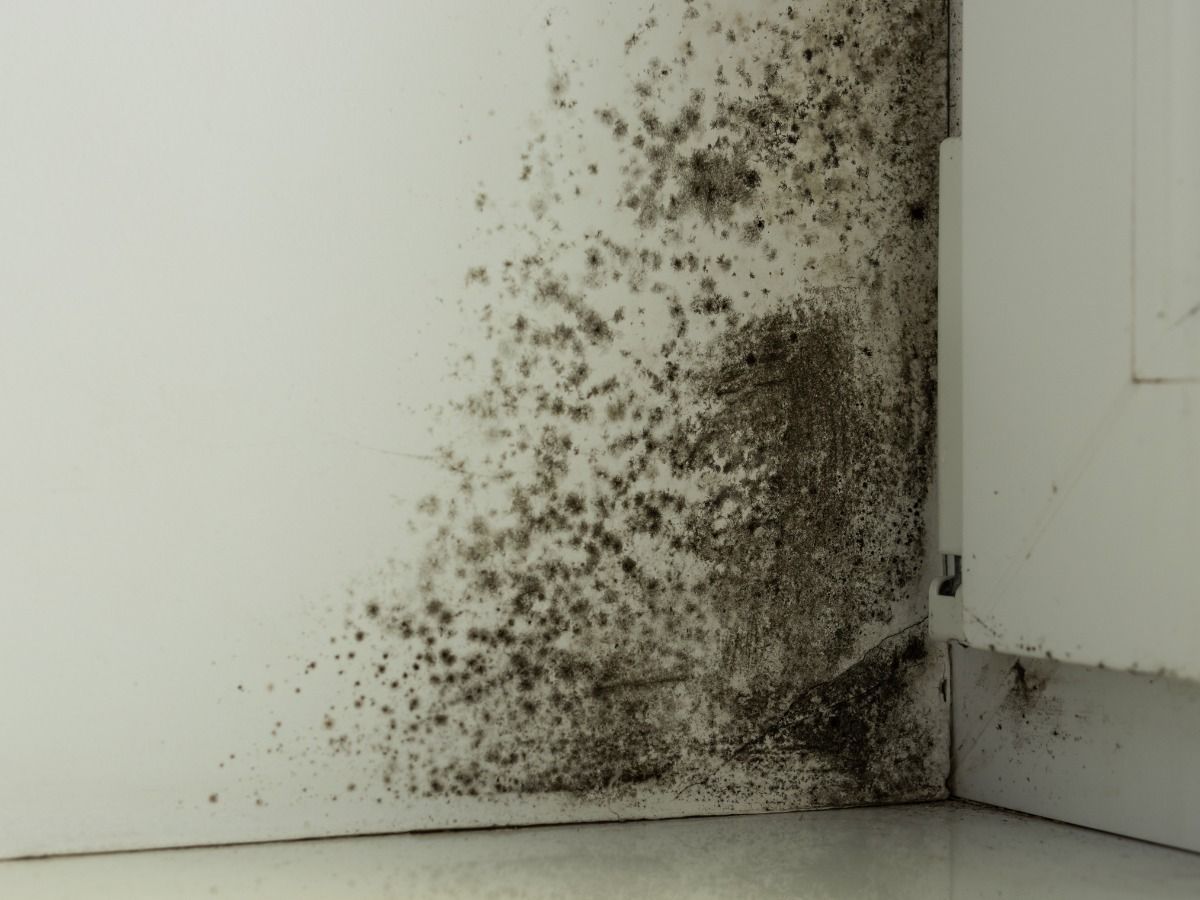
Why Some Contamination Cannot Be Cleaned
There is a point past which cleaning a surface accomplishes nothing. After prolonged moisture exposure, sewage intrusion, or flooding, contamination is inside the assembly rather than on it, and the material itself has become a reservoir that will reseed the space as soon as conditions allow.
Controlled demolition is how that material comes out without the removal itself becoming the next problem. Tearing out contaminated drywall without containment aerosolizes everything it was holding and distributes it through the rest of the building, which is why this work is engineered rather than improvised.
What you get at the end is a documented, decontaminated substrate that a restoration crew can build on with confidence that nothing was left behind the new finishes.
How a Decontamination Project Runs
01
Emergency Decontamination
After sewage backup, black water intrusion, or widespread contamination, biohazardous material is removed, affected areas sanitized, and the site stabilized before anything else proceeds.
02
Controlled Demolition
Contaminated drywall, ceilings, insulation, flooring, and where necessary structural elements are removed inside sealed containment under negative air and HEPA filtration.
03
Hazardous Waste Handling & Disposal
Material is double-bagged, labeled, tracked, and disposed of through approved facilities in compliance with local and federal requirements.
04
Surface Decontamination & Cleaning
What remains is HEPA-vacuumed, pressure washed where appropriate, and treated with antimicrobial or chemical cleaning to reduce biological load ahead of restoration.
05
Protocols for Occupied & Complex Sites
Schools, healthcare settings, and multi-unit residential buildings get phased scheduling and specialized protocols that protect occupants and preserve unaffected space.
How to Tell When Cleaning Is Enough & When It Is Not
The question is whether contamination sits on a surface or has moved into the material.
Surface contamination on non-porous and semi-porous materials — tile, metal, sealed concrete, framing lumber — cleans and treats successfully in most cases, and those materials stay.
Material that absorbed contaminated water comes out. Drywall, insulation, carpet, ceiling tile, and cabinetry that took on black water or sat damp for weeks cannot be verified clean, and leaving them means the restoration gets built over an active reservoir.
Full gutting becomes the right answer when contamination has crossed multiple assemblies, when black water reached wall cavities, or when smoke damage and water damage compound each other. That call is made from inspection findings and written into the scope before demolition starts — never decided on the fly with a saw already in hand.
Situations That Call for This Work
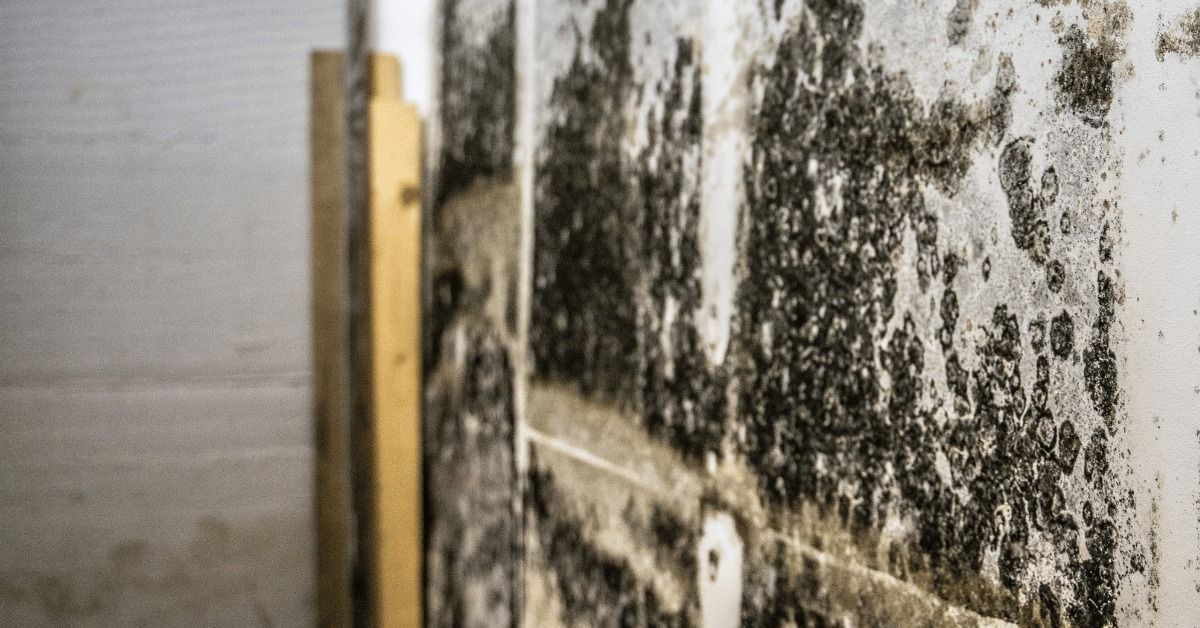
Growth across multiple rooms or through more than one building assembly
Sewage backup or floodwater that reached finished space
Long-undetected moisture that has had months to work into materialsg
Smoke contamination combined with water damage
A building that needs to be taken back to framing before restoration can start
Any contamination event in an occupied school, clinic, or multi-unit building
FREQUENTLY ASKED QUESTIONS
How disruptive is controlled demolition?
More than remediation, less than people expect. Containment confines the work to the affected area, and in commercial and multi-unit buildings we phase the work so unaffected space stays in use. For heavy residential projects, temporary relocation is sometimes the practical call, and you hear that during scoping rather than after demo starts.
Is decontamination covered by insurance?
Often, when it follows a covered water or fire event. We provide scope, photographs, air readings, and disposal manifests for your claim. The coverage decision sits with your insurer.
How is contaminated waste disposed of?
Double-bagged, sealed, labeled, and transported to approved facilities, with the waste stream tracked and documented as part of your project record.
How soon can restoration begin afterward?
Once the structure is dry, verified clean, and documented. Drying time is usually the constraint, and we hand off to your contractor with the readings and clearance paperwork in place.
Will my insurance cover this?
Coverage depends on the cause of the water event and your policy language. We supply the findings, scope, and verification documentation adjusters ask for, and reporting water damage promptly tends to speed approvals.
Get a Clean Substrate to Rebuild On
Widespread contamination, black water, or a building that needs to come back to framing all warrant a scoped assessment. Biohazard and flood emergencies requiring demolition get priority scheduling and containment.