
Structural Mold Removal
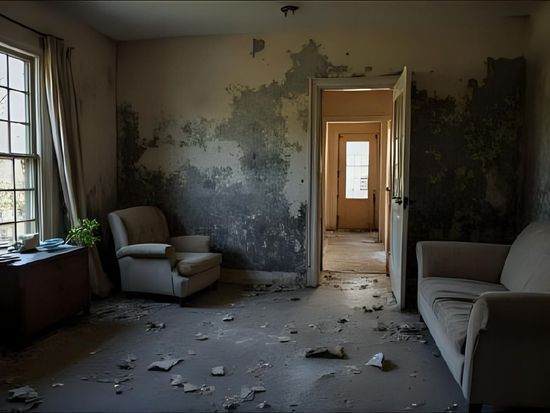
Why Structural Spaces Hide the Worst Problems
Attics, basements, and crawl spaces share the three conditions mold needs most: poor ventilation, swinging temperatures, and a moisture source nobody is watching. They also share a fourth — nobody goes in them. A problem that would be caught in a week in a bathroom runs for months over your head or under your floor.
By the time it is found, growth has usually moved past surfaces and into insulation, framing, subfloor, and box sills. Left alone, that costs you indoor air quality throughout the building, the structural capacity of the wood itself, the R-value of insulation that is now holding moisture, and a clean answer when a buyer's inspector asks what that staining is.
How Each Space Fails Differently
Attics
Roof leaks, ice damming, failed flashing, and warm humid air leaking up from the living space into an under-ventilated attic. You see dark staining along rafters and roof sheathing, growth across insulation, and a musty smell on the top floor. Work covers contaminated insulation removal, drying and treating the roof deck, and correcting the ventilation that caused it.
Basements
Groundwater intrusion, poor foundation drainage, high indoor humidity, and failed sump pumps. Look for growth on foundation walls and flooring, efflorescence and peeling paint, warped baseboards, and a damp smell that never fully leaves. Work covers drying, removal of contaminated flooring, drywall and insulation, and a dehumidification plan that keeps it dry afterward.
Crawl Spaces
Soil vapor rising through a missing or torn vapor barrier, condensation on cold surfaces, plumbing and HVAC leaks. Growth appears on floor joists and perimeter walls, sill plates begin to rot, and insulation falls away from the subfloor. Work covers removal, encapsulation with a heavy-duty vapor barrier, and sealing HVAC penetrations.
How a Structural Project Runs
01
Detailed Structural Inspection
Moisture readings, thermal imaging, and sampling where warranted establish the source and the extent, documented as a written scope.
02
Containment & Negative Pressure
Work zones are isolated and entry points to living space sealed, so nothing that comes off the framing ends up in the house.
03
Removal of Affected Materials
Contaminated insulation, drywall, and where necessary structural wood come out under protocol.
04
Surface Cleaning & Antimicrobial Treatment
Remaining framing is HEPA-vacuumed, treated, and dried to a moisture content where regrowth cannot start.
05
Structural Repairs & Mitigation
Insulation upgrades, ventilation corrections, vapor barrier installation, or member replacement, coordinated with vetted contractors where the work goes beyond our scope.
06
Verification & Monitoring
Verification checks and documentation at completion, plus a humidity monitoring or dehumidification plan for basements and crawl spaces.
How to Tell Whether Framing Can Be Saved
Most moldy wood is salvageable. Mold feeds on the surface and the wood's moisture, not on its structure, so growth on a joist or rafter is usually cleaned off by HEPA vacuuming, controlled cleaning, and sometimes light sanding, then dried and treated.
Replacement becomes necessary when rot has set in, and that is a different organism doing different damage. The test is whether the wood has lost integrity — softness that takes a probe, crumbling fibers, visible section loss. Sill plates and band joists in wet crawl spaces are where this turns up most often.
Encapsulation is a separate decision. A crawl space with a persistent moisture source gets remediated and then re-colonized within a season or two unless the ground vapor is cut off, which is the entire point of a sealed barrier and controlled humidity. Where the space is already dry and well drained, encapsulation is an upgrade rather than a requirement, and we will tell you which one you have.
Signs It Is Time for Remediation
A musty smell near the basement stairs, a closet, or a bathroom
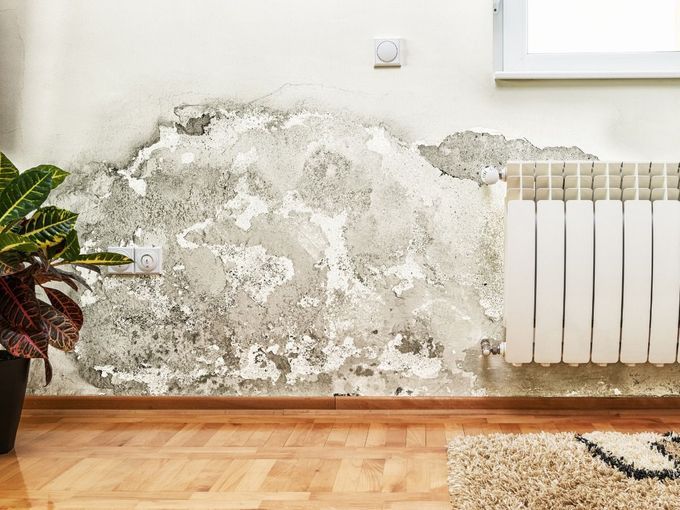
Dark staining on rafters, roof sheathing, joists, or sill plates
Insulation that is damp, discolored, or sagging away from its surface
Frost or condensation on the underside of roof sheathing in winter
Efflorescence, peeling paint, or warped baseboards in a basement
Standing water or damp soil in a crawl space
Any roof leak, ice dam, or foundation seepage
FREQUENTLY ASKED QUESTIONS
How do you decide whether structural wood can be saved?
By integrity, not appearance. Stained but sound wood gets cleaned and treated. Wood that has gone soft or lost section is replaced, and you see that call in the written scope before demolition.
Is crawl space encapsulation necessary after remediation?
Not always. Where soil vapor or standing water is driving the problem, encapsulation is what keeps it from returning. Where the space is dry and drains properly, it is optional.
How long before I can finish or restore the treated area?
Once moisture readings are back in range and verification is complete, restoration can begin. Drying time is the variable, and it depends on how saturated the assembly was.
Can you work in an attic or crawl space while we stay in the house?
Yes. Containment and negative pressure keep the work zone sealed off from living space, which is exactly why these projects rarely require anyone to leave.
Get the Structure Looked At Before It Costs More
Structural mold is cheapest to address the week it is found and most expensive the year after. Reach out for a free initial assessment or to schedule a full inspection.